Saturday, February 14, 2026

GERMANY UNDER MERZ HAS BECOME EUROPE’S SICK OLD MAN!

MERZ'S IMPERIAL FANTASY BRINGS CHAOS! 
 ....Guns For War ... Hunger For Workers ...

Nord Stream, energy shock — and now Volkswagen’s historic rupture...


By Norris R. McDonald, DIJ, Author, Economic Journalist

@sulfabittasnews (Updated, MARCH 28, 2026)


Norris R. McDonald, DIJ
Germany for decades was the industrial engine of Europe. Its factories powered the continent’s prosperity. Its export machine set global standards in automobiles, chemicals, precision tools, and industrial machinery. Its social market economy balanced capitalism with worker protections in a way many nations tried to emulate.


Today, that model is under severe strain. 


Germany faces a structural economic rupture driven by energy shock, geopolitical alignment, and strategic miscalculation. The destruction of the Nord Stream pipelines in 2022 was not simply an infrastructure event — it was an economic turning point. Those pipelines delivered the cheap and reliable Russian gas that underwrote Germany’s industrial competitiveness for decades.


The German working class are going through extremely hard times not seen since the Post World War II era. 


Cheap Russian Gas Fueled Germany's Industrial Base

Before 2022, roughly 55 percent of Germany’s natural gas came from Russia. That supply sustained energy-intensive sectors — chemicals, steel, fertilizers, glass, aluminum, autos. When it vanished, Germany did not just lose fuel. It lost cost stability.


The shift to higher-priced liquefied natural gas and emergency substitutes has kept industrial energy costs elevated compared to pre-war levels. For globally competitive manufacturing sectors, margins matter. And when margins collapse, relocation becomes rational.


Industrial production has weakened. Investment has slowed. Executives increasingly explore expansion in the United States or Asia rather than at home. Economists describe “structural demand destruction.” Workers experience something simpler: layoffs, reduced shifts, and long-term uncertainty.


Nord Stream and the Energy Shock

Energy is the bloodstream of industrial society. Germany’s post-Cold War growth model rested on abundant, affordable gas feeding vast manufacturing ecosystems.


The bombing of Nord Stream abruptly severed that lifeline. What followed was not a short-term adjustment but a permanent increase in operating costs for German industry.


This shock ripples outward. Higher energy prices raise production costs. Higher production costs reduce competitiveness. Reduced competitiveness accelerates offshoring. Offshoring erodes employment, tax revenue, and industrial know-how. Once this cycle takes hold, reversing it becomes extremely difficult.


Volkswagen and the Symbolism of an 84-Year Pillar

Nowhere is Germany’s vulnerability more symbolically visible than in the crisis facing Volkswagen.


For 84 years, Volkswagen has stood as a pillar of German industrial identity. From the Beetle to the Golf, from Audi engineering to Porsche performance, the company anchored vast supply chains across Europe. Entire regions depend on its plants.


 Volkswagen, once a great symbol of Germany's industrial might, has now collapsed. 


Today, Volkswagen confronts weak European demand, fierce Chinese competition in electric vehicles, high domestic production costs, and the broader energy burden weighing on German manufacturing.


Reports of restructuring, potential plant closures, or severe cost-cutting represent more than corporate belt-tightening. They signal that even Germany’s most iconic manufacturers are struggling to remain competitive at home.


If Volkswagen cannot comfortably produce profitably in Germany, the implications extend far beyond one company. They point to a system-wide problem.


Deindustrialization in Slow Motion

Chemical producers have cut output. Steelmakers warn of permanent capacity losses. Fertilizer and aluminum plants have shut down or relocated.


Economists increasingly acknowledge that Germany is experiencing “structural demand destruction” — a polite term for factories that will never reopen.


This is not a normal business cycle. It is deindustrialization in slow motion.

Germany now risks developing its own Rust Belt along the Rhine.


Rearmament Without an Industrial Base

Berlin’s political leadership speaks confidently about transforming Germany into the strongest military power in Europe.


But military strength rests on industrial strength. Tanks, aircraft, drones, ammunition, and advanced electronics require factories, skilled labor, and affordable energy.


A shrinking manufacturing base cannot sustain long-term military ambitions.


The contradiction is stark: Germany is asked to shoulder greater geopolitical responsibility while its productive core erodes.


Social Democracy Under Pressure

Germany’s postwar stability rested on an implicit bargain: industrial strength would generate rising living standards and fund social protections.


That bargain is fraying.


Households face higher energy bills. Rents rise. Public infrastructure ages. Job insecurity spreads.


Russian cheap Nord Stream gas once have Germans a better quality of life than most Europeans. 


As economic security weakens, political polarization grows. The erosion of social democracy follows the erosion of industrial confidence.


Geopolitics and Double Standards

Ukraine is framed as an existential moral cause. Gaza exposes glaring double standards in how civilian suffering is judged.


Principles appear selective. Credibility erodes.


For Washington, Europe’s break from Russian energy advances long-standing strategic objectives. For Germany, the economic price has been devastating. Energy independence from Moscow has translated into dependence on higher-cost imports and reduced industrial competitiveness.


A Choice Still Exists

Germany still possesses extraordinary assets: world-class engineers, research institutions, skilled workers, and a respected industrial brand. But assets require strategy. Without a coherent plan for affordable energy, competitive production, and genuine strategic autonomy, Germany’s decline will deepen.


History shows that great economic powers rarely collapse overnight. They decay through accumulated policy choices.


If icons like Volkswagen stumble after 84 years, the warning could not be clearer. Germany must decide whether it intends to remain an industrial nation — or accept managed decline dressed up as moral virtue.

 Final Word

Germany is entering a new era where defense—not fiscal restraint—defines national policy. The 2026 budget underscores a decisive pivot toward military strength, industrial mobilization, and geopolitical influence in Europe.


That is the Bitta Truth.


Friday, February 13, 2026

President Trump Marches On A New Political Crusade Against Cuba

When energy becomes a weapon, suffering becomes policy!


Sulfabittas News reports on major Caribbean and global political developments affecting Jamaica and the wider region...

Kingston, Jamaica — @sulfabittas News


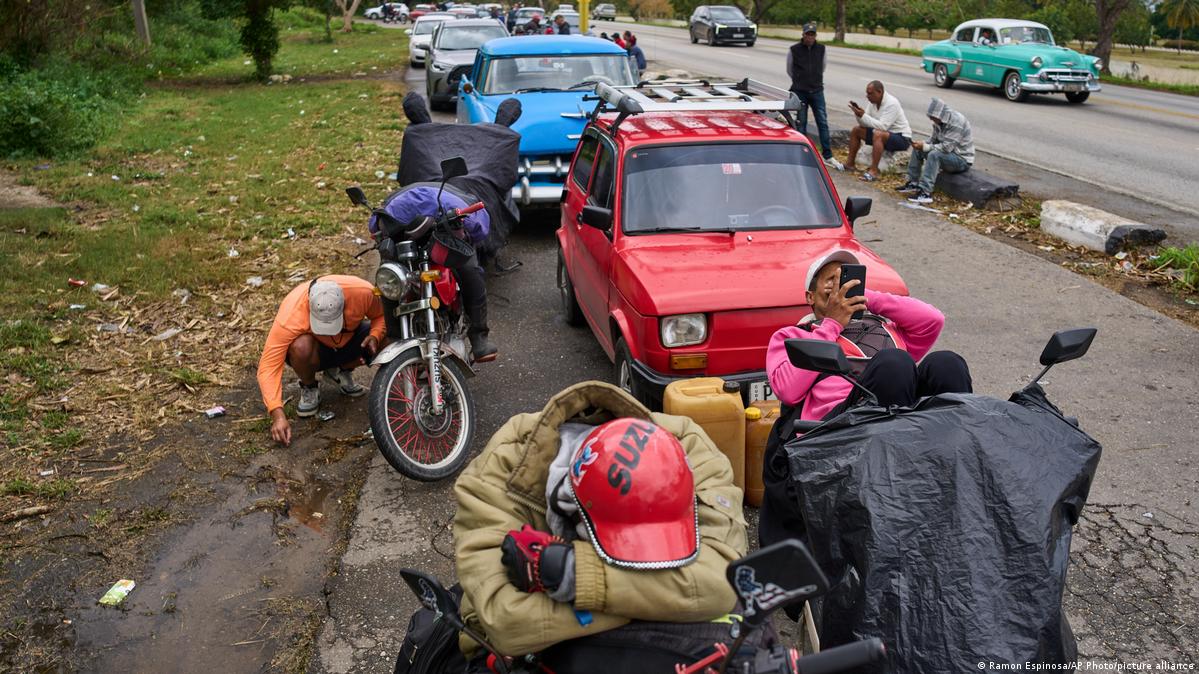
Breaking news on Cuba’s deepening energy crisis as U.S. sanctions block Venezuelan and Mexican oil supplies, trigger jet fuel shortages and rolling blackouts, and spur international responses from Mexico, China, and Russia. Latest updates, analysis, and impact for Cuba, Caribbean travel and global geopolitics.


Latest Verified Developments

• U.S. Oil Blockade and Tariffs Intensify Pressure
The Trump administration’s intensified sanctions and tariff threats have effectively stopped Venezuela — Cuba’s main oil supplier — and pressured Mexico to curb shipments, causing severe fuel shortages.

• Jet Fuel Shortages Halt Flights
Cuba announced aviation fuel shortages at nine airports, leaving airlines unable to refuel on the island until at least mid-March and forcing flight cancellations and reroutes that hit tourism hard.

• Humanitarian Aid and Geopolitical Response
Mexican navy ships carrying humanitarian food aid have arrived to ease shortages, even as Mexico walks a diplomatic tightrope with Washington. China vows to assist Cuba with supplies, and Russia plans fuel shipments that could defy U.S. tariffs.


U.S. imposed economic hardships have worsened Cubans daily life. 


President Trump’s latest sanctions escalate decades-old U.S.–Cuba tensions and follow broader U.S. moves affecting Venezuela’s leadership and oil industry — a strategy with far-reaching consequences for Cuban civilians, tourism, and regional geopolitics.


International responses are mounting: Mexico provides vital aid, while China and Russia reject what they call unilateral U.S. pressure. The crisis now threatens not just fuel systems but food, healthcare and civil stability across the island.


**********

BOOKS BY CARIBBEAN AUTHORS... 

PEENIE WALLIE: THE GLOW OF A FOOL'S LIGHT!: The true life story of a young boy misunderstood but destined to shine


By Norris R. McDonald 

The Jamaican African Coromantee Maroon spiritual ancestors still continues to shine a bright light forward like "Peenie Wallie's" fireflies! "Peenie Wallie" setting is in the rural, St. Mary, Jamaica community where the land tells stories of hope, that emerges from the souls of Black Jamaican people. "Peenie Wallie" explores themes such as: rural poverty, internal migration, hardships, sacrifice, self-motivation, self-development, education, love, kindness, hope, traditions and community spirit versus selfishness. The book tells this story through the eyes of the protagonists:

- Aunt Sissy
- Peenie Wallie and his fireflies
- Mass Moses, a Maroon spiritual leader
- Sheldon, their benefactor.

This busy-buzzing life of the hard-working people of Epsom District, St. Mary, reflects the hope and joy for a prosperous future for the Jamaican people.

The small village of Epsom, once a symbol of hardship, had transformed into a thriving community thanks to the education programs and opportunities he had championed. Many of the village’s children went on to achieve greatness, inspired by his example. "The Glowing House of Epsom" and Peenie Wallie legacy became a cultural landmark, visited by people from all walks of life. Inside its walls, photographs and awards told the story of Peenie Wallie’s journey and that of Aunt Sissy.

The lush gardens outside were filled with blooming flowers—a tribute to the natural picturesque beauty of Epsom, St Mary that had brought Peenie Wallie and Aunt Sissy together and had shaped their ‘Sulfabittas’ life. Peenie Wallie’s fireflies became an enduring symbol of hope.

Wednesday, February 11, 2026

Systemic Racism Worsens Women’s and Children’s Health!


....How Hospital Closures and Structural Inequality Are Fueling a National Maternal and Child Health Emergency!

Sulfabittas News reports on major Caribbean and global political developments affecting Jamaica and the wider region...

By Norris R. McDonald, DIJ, CRT @sulfabittasnews

Race in America is not only a social identity. It is increasingly a medical risk factor.

New national data from the United Health Foundation and the America’s Health Rankings project confirm what Black, Indigenous, and poor communities have warned for generations: systemic racism remains deeply embedded in U.S. healthcare and continues to shape who receives quality care, who struggles, and who dies prematurely.


The 2025 Health of Women and Children Report finds that race can be a stronger predictor of health outcomes than income or education. That reality is reflected in rising maternal mortality, worsening infant and child death rates, and growing mental health distress among women and children. Behind these trends lies a dangerous convergence of structural racism, economic inequality, and collapsing healthcare infrastructure.


This is not a temporary setback. It is a slow-moving national emergency.


Racism as a Public Health Threat

Black women in the United States are roughly three times more likely to die from pregnancy-related causes than white women. Black infants face significantly higher mortality rates. These disparities persist even when controlling for income, insurance status, and educational attainment.


Public health researchers describe a “weathering effect,” in which chronic exposure to discrimination, economic insecurity, and social stress accelerates biological aging and weakens immune and cardiovascular systems. Over time, this cumulative burden increases the risk of pregnancy complications, hypertension, diabetes, and maternal death.

The fight for healthcare justice is a moral imperative!

Structural racism also determines where people live—and therefore what healthcare they can access.


Residential segregation has concentrated many communities of color in areas with fewer hospitals, fewer prenatal clinics, and limited specialty care. Geography, shaped by decades of policy choices, becomes destiny.


America’s Vanishing Maternity Wards

One of the most alarming forces intensifying these disparities is the rapid disappearance of maternity wards across the United States. 


Since 2018, approximately 300 maternity units have closed nationwide. More than 100 rural hospitals have stopped delivering babies since 2020 alone. Today, fewer than half of rural hospitals still offer labor and delivery services.


Hospitals cite financial losses, chronically low Medicaid reimbursement rates, staffing shortages, and declining birth volumes as reasons for shuttering obstetric units. Maternity care is often treated as a money-losing service line rather than essential infrastructure.


The result is the expansion of what public health experts call “maternity care deserts”regions where pregnant people must travel long distances for prenatal visits, delivery, and postpartum care.


In many rural counties, one in three residents now live without local access to an OB-GYN.

Closures are occurring nationwide, with heavy concentrations in the South and in rural regions. Even metropolitan areas are not immune. South Florida has seen maternity units close at facilities such as North Shore Medical Center, Jackson West, Holy Cross Health, and Hialeah Hospital, further straining already overcrowded systems.


For low-income families, the consequences are severe. Long travel times increase the risk of missed prenatal appointments, delayed emergency care, preterm births, and maternal death. Transportation costs, time off work, and childcare barriers compound the danger.

When maternity wards disappear, preventable deaths rise.


Rural Collapse, Racial Impact

Women in rural areas experience higher rates of chronic illness and face steeper access barriers than their metropolitan counterparts. When race and rurality intersect, the risks multiply.


Since 2018 over 300  units have been closed throughout America which worsens the plight of poor Black, Hispanic Native Americans and other minority women. 

Black and Indigenous women in rural communities are more likely to live far from hospitals, lack reliable transportation, and encounter providers unfamiliar with culturally responsive care. The disappearance of local obstetric services leaves them navigating pregnancy in isolation.


These conditions are not accidental. They reflect decades of underinvestment in rural hospitals, privatization of healthcare, and policy decisions that prioritize corporate profitability over community survival.


Children Paying the Price

Child mortality has worsened alongside maternal outcomes.


Rising housing costs, food insecurity, and medical debt force families into impossible trade-offs—rent versus groceries, utilities versus prescriptions. When pregnant people are undernourished and overstressed, infants face higher risks of low birth weight, developmental delays, and early death.


There have been modest gains in early childhood education enrollment and slight declines in smoking during pregnancy. But these improvements are fragile and easily overwhelmed by broader structural forces.


A nation cannot claim to value children while tolerating conditions that shorten their lives.


A Mental Health Emergency

America's poverty induced mental health crisis is worsening!

Depression and frequent mental distress among women continue to rise. Diagnosed anxiety among children is increasing at alarming rates, particularly in marginalized communities.

At the same time, fewer women report having a dedicated healthcare provider, weakening continuity of care and early intervention. Minority and rural communities face acute shortages of mental health professionals, long wait times, and limited culturally competent services.

Mental health struggles do not emerge in a vacuum. They grow from material conditions—poverty, instability, discrimination, and chronic uncertainty.


Policy Choices, Not Inevitable Outcomes

The report outlines clear, evidence-based priorities:

* Permanent Medicaid expansion in all states.
* Debt relief and financial incentives for providers who work in underserved areas.
* Sustained investment in rural hospitals and maternity units.
* Expanded support for Black and Indigenous midwives and doulas.

These solutions are feasible. What is lacking is political will.


The Bottom Line

America’s worsening outcomes for women and children are not mysterious. They are the predictable result of policy decisions that allow inequality to harden into infrastructure.

Systemic racism is not merely a social problem. It is a public health crisis measured in graves.


Health equity is not charity. It is justice!


Tuesday, February 10, 2026

šŸ‡ÆšŸ‡² Jamaican Street Talk: Will the Reggae Boyz Dance Into World Cup History?


Sulfabittas News reports on major Caribbean and global political developments affecting Jamaica and the wider region...

 – As the Reggae Boyz prepare for a high-stakes FIFA World Cup Inter-Continental Play-off in March, the nation finds itself at a familiar crossroads. While the dream of returning to the global stage remains alive, the journey has been marked by recent coaching upheavals and a stark contrast to the historic 1998 campaign.

The 1998 Blueprint: Grit Over Glamour
Jamaica's lone World Cup qualification in 1998 was built on an "unlikely journey" that captured the world's imagination. Under Brazilian coach RenĆ© SimƵes, a largely amateur squad utilized a "blueprint of hunger" to overcome regional giants.
  • Tactical Resilience: In 1998, Jamaica turned the National Stadium into a "fortress," famously securing a 0-0 draw against Mexico to punch their ticket to France.
  • Crowd Energy: Matches in '98 saw attendance figures frequently exceeding the stadium's 30,000 capacity, creating a "sea of gold" that has been difficult to replicate in the modern era.
  • Unity: Despite internal cultural differences between homegrown and British-based players, the '98 squad was praised for a "fire and pride" that bonded the team as a cohesive unit.
Modern Challenges: Talent Without Cohesion
Today’s Reggae Boyz boast a squad arguably more talented than their '98 predecessors, featuring elite professionals like Leon Bailey and Michail Antonio. However, the team has struggled with consistency and administrative stability.
  • Coaching Turmoil: Following a failure to secure automatic qualification in November 2025—losing out to CuraƧao—head coach Steve McClaren resigned after just 18 months. Interim coach Rudolph Speid now leads a side looking to "reorganize" for the March playoffs.
  • Infrastructure & Governance: Unlike the 1998 program, which was a national priority, current critics point to a "governance breakdown" at the Jamaica Football Federation (JFF), citing issues with player bonuses, professional arrangements, and a lack of long-term development pathways.
  • Defensive & Midfield Gaps: While the 1998 team was renowned for being hard to score against, the current side has faced criticism for losing tactical shape and failing to control crucial midfield battlegrounds in high-pressure matches.
The Road to 2026: A Second Chance
Despite missing out on the automatic spots, Jamaica remains "within striking distance" via the FIFA Play-off Tournament. The path to history is clear:
  1. March 26: Semi-final vs New Caledonia in Guadalajara.
  2. March 31: Potential Final vs Congo DR for a spot in Group K.
While "vibes" and talent have carried them this far, experts agree that Jamaica must rediscover the defensive discipline of 1998 to finally dance back onto the world stage.