Showing posts with label Breaking News. Show all posts

Friday, February 27, 2026

Inside Russia’s mRNA Cancer Vaccine Research and the Enteromix Breakthrough

Early-stage trials explore personalized mRNA vaccines and oncolytic virus therapy — but global validation remains essential.

By Norris R. McDonald, DIJ, AARC, Respiratory Therapist, 
Sulfabittas News | Global Health | February 27, 2026

Norris R. McDonald
Russia’s oncology clinical trials 2026 --- cancer vaccine research programs have entered global discussion in as experimental mRNA platforms and, an oncolytic therapy known as Enteromix advance into early clinical development.

While still in Phase I testing and preclinical validation, Russia cancer immunotherapy initiatives reflect broader global momentum personalized cancer treatment. 

Phase 1 clinical trials focus on safety, dosage, and side effects in a small group (20–80 people).


The central question is not whether these announcements are promising. Many early oncology programs are promising. The critical issue is whether rigorous scientific validation will confirm durable clinical benefit.

The mRNA Therapeutic Model

The mRNA platform gained global recognition during the COVID-19 pandemic, when it demonstrated the capacity to rapidly encode immune-targeting instructions. In oncology, the concept differs from preventive vaccination.

Therapeutic mRNA cancer vaccines are designed to:

  • Encode tumor-specific antigens

  • Train cytotoxic T-cells to recognize malignant cells

  • Customize treatment to individual tumor profiles

Russian research institutions, including the Gamaleya National Research Center, have reported progress in developing such personalized platforms. Targeted cancers reportedly include colorectal cancer, glioblastoma, and melanoma — all of which remain among the most challenging malignancies in modern oncology.

The appeal of mRNA oncology lies in adaptability. Tumors often mutate, and customizable platforms may offer flexibility in responding to evolving tumor biology.

However, the complexity of cancer biology presents formidable barriers. Tumors develop immune evasion strategies, microenvironment resistance, and genetic heterogeneity. Translating immune activation into sustained tumor regression remains a central challenge in immunotherapy research.

Enteromix and Oncolytic Virus Therapy

Parallel to mRNA development, the Enteromix platform focuses on oncolytic virotherapy — a field that has been studied internationally for years.

Oncolytic viruses are engineered to:

  • Infect and destroy tumor cells

  • Release tumor antigens upon lysis

  • Stimulate systemic anti-tumor immune responses

The concept combines direct cytotoxic action with immune priming. Similar approaches have been explored in the United States, Europe, and Asia, though broad clinical adoption remains limited.

Early reports from Russian officials suggest tumor reduction in animal models and immune response activation in a small human cohort of fewer than 50 participants. These findings, while encouraging, require peer-reviewed publication and larger trial replication.

The Clinical Validation Question

Phase I trials primarily assess safety and dosage. They are not designed to confirm long-term efficacy. Historically, many oncology therapies demonstrate initial tumor response but fail to show durable survival benefit in larger trials.

Critical next steps include:

  • Phase II efficacy evaluation

  • Multi-center international collaboration

  • Independent peer review

  • Long-term safety monitoring

Cancer immunotherapy breakthroughs emerge not from announcement but from data transparency.

A Global Oncology Context

Russia’s research does not occur in isolation. Global cancer research is built step-by-step. Globally, therefore, medical scientific innovators, companies and academic institutions are racing to refine:

  • CAR-T cell therapy

  • Checkpoint inhibitors

  • Personalized neoantigen vaccines

  • Targeted molecular inhibitors

The convergence of genetic sequencing, bioinformatics, and immune engineering has accelerated oncology research at unprecedented speed.

Scientific competition can drive innovation, but international collaboration often accelerates validation.

What Patients Should Understand

For patients currently undergoing treatment, experimental programs remain investigational. Established therapies — including chemotherapy, radiation, immunotherapy, and targeted biologics — continue to represent evidence-based standards of care.

Medical professionals universally advise against delaying proven treatment in favor of unverified alternatives.

Hope for Global Cancer Sufferers

Hope is powerful. But hope must be supported by reproducible evidence.

For millions of families facing cancer, even experimental breakthroughs generate emotional and psychological hope.

Hope matters.

But hope must walk alongside science.

Patients should:

  • Consult qualified oncologists
  • Continue evidence-based treatments
  • Avoid delaying proven therapies
  • Approach unverified claims with balanced optimism

Modern oncology already cures many cancers when detected early. Immunotherapy, targeted therapy, and precision medicine are transforming survival rates worldwide.


Final Reflection from Sulfabittas News

Russia’s cancer vaccine development represents a potentially wonderful breakthrough — driven by diligent Russian medical researchers striving to change the future of oncology.


Whether it becomes a historic medical milestone or another promising but limited experiment will depend on rigorous global scientific validation. However, One truth remains clear: Humanity’s greatest breakthroughs come not from division — but from dedication to healing.

Russia’s mRNA cancer vaccine program and Enteromix oncolytic therapy represent intriguing developments within the broader immunotherapy landscape.

Whether these platforms become transformative will depend on scientific rigor, global validation, and clinical reproducibility.

Oncology progress is built step by step — through trials, peer review, and time.

If these experimental approaches demonstrate sustained survival benefit and safety across diverse populations, they may contribute meaningfully to the next chapter of cancer treatment.

Until then, cautious optimism remains the most responsible stance for all humanity.

_____________

About the Author

Norris R. McDonald is an author, respiratory therapist, and economic journalist whose work focuses on political economy, public health, healthcare systems, and global public policy. He is a regular contributor of public commentary and analysis for the Jamaica Gleaner, where he examines the intersection of economics, governance, social justice, and development in Jamaica, the Caribbean, and the Global South.


With professional training in respiratory care and decades of frontline healthcare experience, McDonald brings a clinical and evidence-based perspective to issues such as maternal mortality, health inequities, pharmaceutical policy, and healthcare access. His journalism blends data-driven analysis with historical and cultural context, particularly around Black communities, post-colonial development, and structural inequality.


McDonald is also the publisher of Sulfabittas Newsmagazine on Substack, where he produces investigative features, long-form essays, and geopolitical commentary on global power dynamics, economic sovereignty, and emerging multipolar realities.


****************

BOOKS


The Jamaican African Coromantee Maroon spiritual ancestors still continues to shine a bright light forward like "Peenie Wallie's" fireflies! 


"Peenie Wallie" setting is in the rural, St. Mary, Jamaica community where the land tells stories of hope, that emerges from the souls of Black Jamaican people. 


"Peenie Wallie" explores themes such as: rural poverty, internal migration, hardships, sacrifice, self-motivation, self-development, education, love, kindness, hope, traditions and community spirit versus selfishness. The book tells this story through the eyes of the protagonists:

SCAN QR CODE ðŸ‘‰


OR GET THE BOOK HERE: ðŸ‘‡


Friday, February 13, 2026

President Trump escalates economic embargo as Cuba faces its worst energy crisis in decades!

When energy becomes a weapon, suffering becomes policy!

President Donald Trump


Kingston, Jamaica — @sulfabittas News

Breaking news on Cuba’s deepening energy crisis as U.S. sanctions block Venezuelan and Mexican oil supplies, trigger jet fuel shortages and rolling blackouts, and spur international responses from Mexico, China, and Russia. Latest updates, analysis, and impact for Cuba, Caribbean travel and global geopolitics.


Latest Verified Developments

• U.S. Oil Blockade and Tariffs Intensify Pressure
The Trump administration’s intensified sanctions and tariff threats have effectively stopped Venezuela — Cuba’s main oil supplier — and pressured Mexico to curb shipments, causing severe fuel shortages.

• Jet Fuel Shortages Halt Flights
Cuba announced aviation fuel shortages at nine airports, leaving airlines unable to refuel on the island until at least mid-March and forcing flight cancellations and reroutes that hit tourism hard.

• Humanitarian Aid and Geopolitical Response
Mexican navy ships carrying humanitarian food aid have arrived to ease shortages, even as Mexico walks a diplomatic tightrope with Washington. China vows to assist Cuba with supplies, and Russia plans fuel shipments that could defy U.S. tariffs.
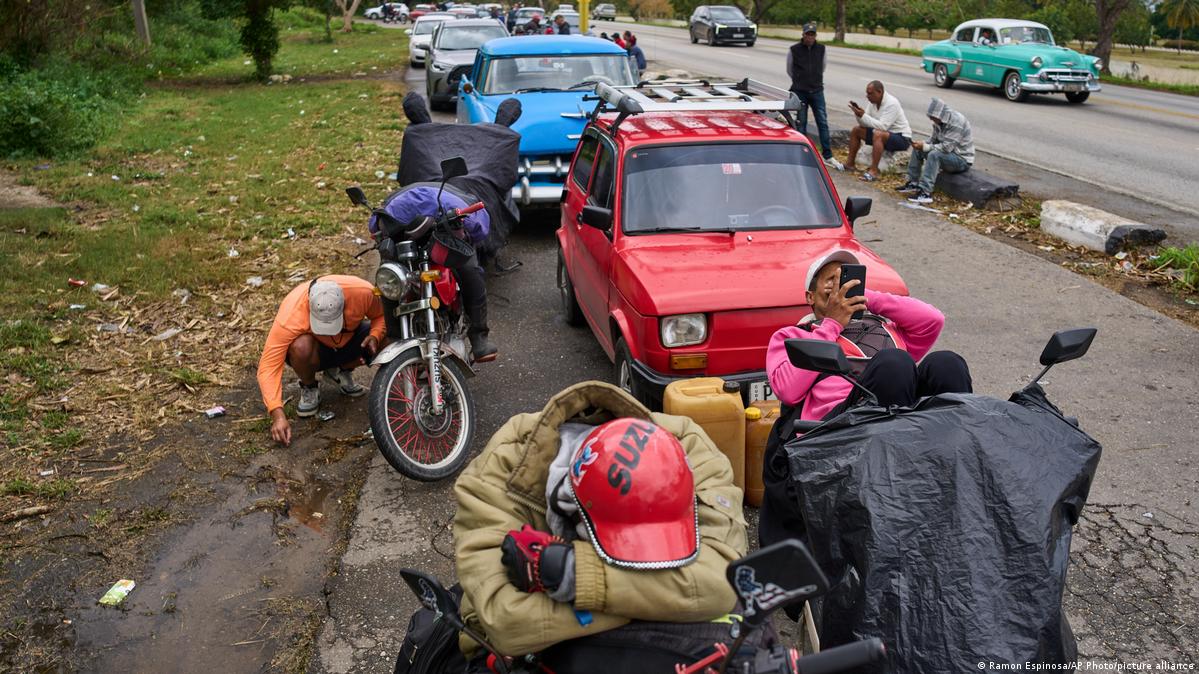

U.S. imposed economic hardships have worsened Cubans daily life. 


President Trump’s latest sanctions escalate decades-old U.S.–Cuba tensions and follow broader U.S. moves affecting Venezuela’s leadership and oil industry — a strategy with far-reaching consequences for Cuban civilians, tourism, and regional geopolitics.


International responses are mounting: Mexico provides vital aid, while China and Russia reject what they call unilateral U.S. pressure. The crisis now threatens not just fuel systems but food, healthcare and civil stability across the island.


**********

BOOKS BY CARIBBEAN AUTHORS... 

PEENIE WALLIE: THE GLOW OF A FOOL'S LIGHT!: The true life story of a young boy misunderstood but destined to shine


By Norris R. McDonald 

The Jamaican African Coromantee Maroon spiritual ancestors still continues to shine a bright light forward like "Peenie Wallie's" fireflies! "Peenie Wallie" setting is in the rural, St. Mary, Jamaica community where the land tells stories of hope, that emerges from the souls of Black Jamaican people. "Peenie Wallie" explores themes such as: rural poverty, internal migration, hardships, sacrifice, self-motivation, self-development, education, love, kindness, hope, traditions and community spirit versus selfishness. The book tells this story through the eyes of the protagonists:

- Aunt Sissy
- Peenie Wallie and his fireflies
- Mass Moses, a Maroon spiritual leader
- Sheldon, their benefactor.

This busy-buzzing life of the hard-working people of Epsom District, St. Mary, reflects the hope and joy for a prosperous future for the Jamaican people.

The small village of Epsom, once a symbol of hardship, had transformed into a thriving community thanks to the education programs and opportunities he had championed. Many of the village’s children went on to achieve greatness, inspired by his example. "The Glowing House of Epsom" and Peenie Wallie legacy became a cultural landmark, visited by people from all walks of life. Inside its walls, photographs and awards told the story of Peenie Wallie’s journey and that of Aunt Sissy.

The lush gardens outside were filled with blooming flowers—a tribute to the natural picturesque beauty of Epsom, St Mary that had brought Peenie Wallie and Aunt Sissy together and had shaped their ‘Sulfabittas’ life. Peenie Wallie’s fireflies became an enduring symbol of hope.

Saturday, January 31, 2026

Prescription Drug Errors Kill More Americans Than Medicinal Plants: A Preventable Health Crisis


Prescription Drug Errors Kill More Americans Than Medicinal Plants: A Preventable Health Crisis

By Norris R. McDonald, Sulfabittas News

Medication Error Statistics in the United States: A Growing Patient Safety Crisis. Prescription drug errors represent one of the most overlooked failures in the American healthcare system. While pharmaceutical innovation has transformed disease management, preventable medication mistakes continue to injure and kill Americans at alarming rates.

The U.S. Food and Drug Administration reports that medication errors harm at least 1.5 million people annually in the United States. These adverse drug events include prescribing mistakes, dosage miscalculations, pharmacy dispensing errors, and dangerous drug interactions.

Research affiliated with Johns Hopkins University has estimated that medical errors rank among the leading causes of death in America. While mortality estimates vary across studies, there is broad consensus among public health experts: preventable medical errors remain a systemic patient safety crisis.

Adverse Drug Reaction Deaths vs. Herbal Medicine Safety Data

When comparing pharmaceutical harm to medicinal plant use, the contrast is striking. Fatalities directly linked to properly identified and appropriately administered herbal remedies are comparatively rare.According to the National Center for Complementary and Integrative Health, part of the National Institutes of Health, most herbal-related complications arise from contamination, incorrect identification, excessive dosing, or drug-herb interactions — not from standard traditional use.

This does not imply herbal medicine is universally safe, nor that prescription drugs are inherently dangerous. It highlights a more uncomfortable truth: the scale of adverse drug reaction deaths within a tightly regulated pharmaceutical system demands scrutiny.

Preventable Medical Errors Inside a Highly Regulated Healthcare System

Unlike isolated herbal misuse cases, prescription drug errors occur within hospitals, long-term care facilities, and pharmacies operating under federal oversight.This raises critical healthcare policy questions. If advanced electronic health records, pharmacist verification systems, and federal drug safety regulations exist, why do preventable medication errors continue to claim lives?

Medication reconciliation failures, fragmented communication between providers, and systemic workflow breakdowns contribute significantly to the problem. These are not failures of pharmacology — they are failures of implementation and oversight.

Polypharmacy Risks in the Elderly and Chronic Disease Patients

One of the most dangerous drivers of medication-related harm is polypharmacy — the simultaneous use of multiple prescription drugs.

Older Americans and patients with chronic illnesses often take five, ten, or even more medications daily. Each additional drug increases the probability of dangerous interactions, organ stress, internal bleeding, or cardiac complications. As America’s population ages, the intersection of polypharmacy risks and preventable prescribing errors could expand the patient safety crisis unless healthcare quality reforms accelerate.

Global Patient Safety Initiatives and Healthcare Quality Reform

Medication safety is not just a domestic concern. The World Health Organization has identified medication-related harm as a global public health priority, estimating billions in avoidable healthcare costs annually due to preventable drug-related injuries.

Efforts to reduce medication errors include improved electronic prescribing systems, enhanced pharmacist integration, clearer labeling standards, and stronger patient education protocols. These reforms are not radical — they are evidence-based safeguards.

Healthcare Accountability, Transparency, and Systemic Reform

Prescription drugs save lives every day. Insulin prevents diabetic crises. Anticoagulants reduce stroke risk. Oncology drugs extend survival. The issue is not pharmaceutical science — it is systemic vulnerability.

When preventable medication mistakes result in thousands of deaths annually, accountability becomes a public health imperative. The conversation should not be framed as pharmaceuticals versus medicinal plants, but rather as safety systems versus systemic neglect. Reducing medication errors would not require dismantling modern medicine. It would require practicing it with greater precision, transparency, and oversight.

The tragedy is not that powerful drugs exist. The tragedy is that preventable errors persist in delivering them.