
Patricia Marie Northover & Michaeline Crichlow
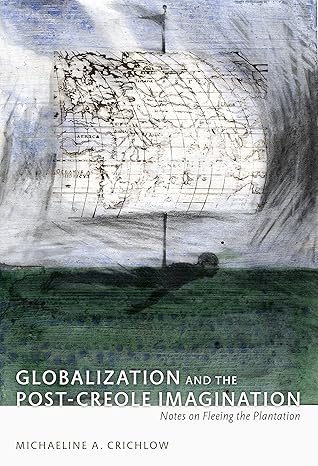
Globalization is frequently framed as cultural openness and economic opportunity. Yet for Afro-Caribbean and African diasporic communities, it often reproduces the very plantation logics that shaped colonial modernity. In Globalization and the Post-Creole Imagination, Patricia Marie Northover and Michaeline Crichlow offer a critical intervention into how globalization extends, rather than dismantles, imperial systems of power.
The authors theorize the post-Creole imagination as a necessary break from celebratory narratives of hybridity that obscure histories of racial capitalism, colonial extraction, and epistemic domination. The plantation is understood not merely as a historical site, but as an enduring structure that organizes labor, culture, and knowledge across the Caribbean and its diasporas.
From a Pan-African and anti-imperialist perspective, “fleeing the plantation” does not imply escape through assimilation, migration, or elite cosmopolitanism. Instead, it signals an epistemological refusal—an insistence on imagining Afro-Caribbean futures outside the inherited boundaries of colonial governance and global market dependency.
This work speaks directly to ongoing debates in Caribbean studies, Black diaspora theory, decolonial thought, and globalization studies. It challenges readers to consider how cultural identity can function either as containment within imperial systems or as a site of resistance and collective liberation.
For Afro-Caribbean communities navigating the contradictions of globalization, Northover and Crichlow remind us that liberation begins not only with material struggle, but with reclaiming imagination itself.

No comments:
Post a Comment