
Sulfabittas News reports on major Caribbean and global political developments affecting Jamaica and the wider region...
... Coral Reefs, Fisheries and Tourism at Stake in Jamaica Oil Debate!
 |
| Norris R McDonald |
By Norris R. McDonald @sulfabittasnews
KINGSTON, Jamaica, SULFABITTAS NEWS SYNDICATE
As energy companies expand offshore exploration across the Caribbean, debate is intensifying over whether the potential economic benefits outweigh the environmental risks for small island states like Jamaica.
Oil Spill Risks in a Tourism-Dependent Nation
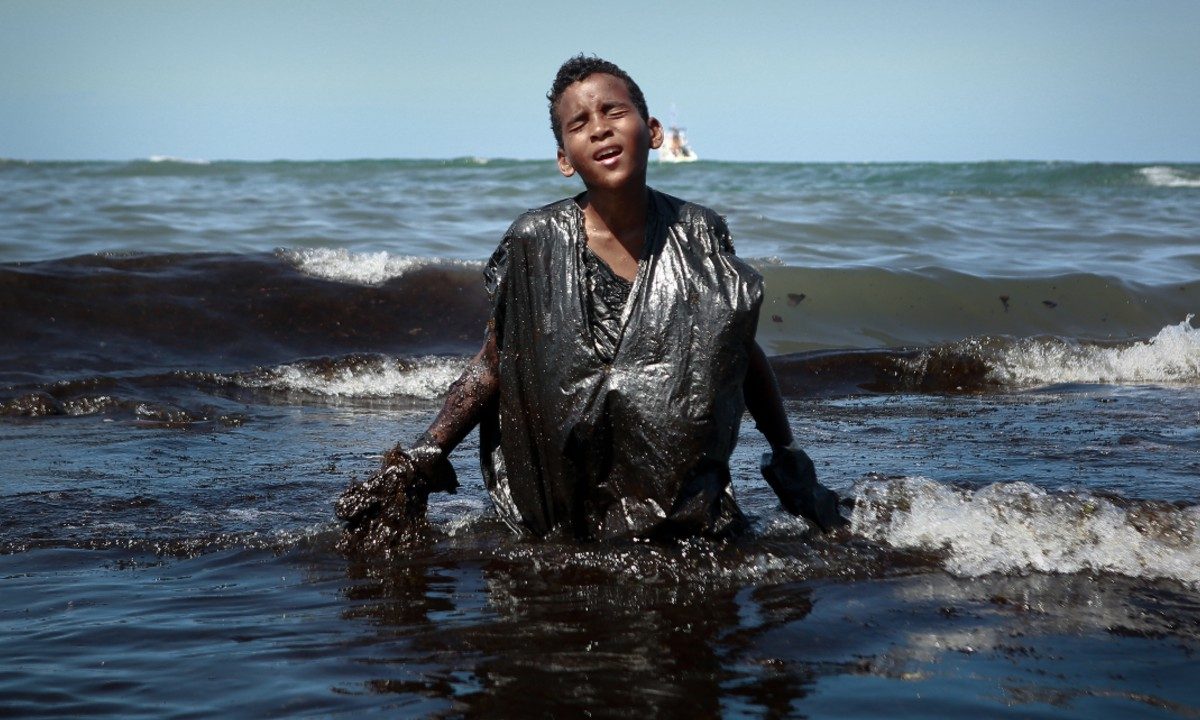
Oil spills remain one of the most serious dangers associated with offshore drilling. Accidents during exploration, drilling, or transportation can release oil into surrounding waters, contaminating beaches and nearshore ecosystems.
 |
| What lies below Jamaican waters? Oil and gas, but potential severe dangers to sea life and the island pristine beaches. |
Coral Reefs and Marine Ecosystems Under Pressure
Jamaica’s coral reefs are already under strain from climate change, pollution, and overfishing. Oil and gas exploration could intensify these pressures through drilling waste, accidental leaks, and reduced water clarity.
Environmental organizations, including the Jamaica Environment Trust (JET), have repeatedly warned that additional industrial activity could accelerate reef degradation.
“Coral reefs are not just underwater attractions — they are essential natural infrastructure,” a JET representative said. “Once they are damaged, beaches erode faster, fisheries decline, and coastal communities lose protection from storms.”
 |
| Damage to ecology is also a major risk. |
Seismic Surveys and Impact on Marine Life
Before drilling begins, oil companies typically conduct seismic surveys using powerful underwater sound waves to locate oil and gas deposits. Scientific research has linked these surveys to disruptions in marine mammal behavior, fish migration, and spawning patterns.
Fishing organizations, including members of the All-Island Fisherfolk Association of Jamaica (AIFAJ), have raised concerns about the impact on livelihoods.
“When fish move away from traditional fishing grounds, fishers feel it immediately,” an AIFAJ representative said. “Reduced catches affect income, food security, and entire coastal communities.”
Coastal Erosion and Loss of Natural Defenses
Oil and gas infrastructure, such as pipelines, ports, and support facilities, can damage mangroves and seagrass beds. These ecosystems serve as natural buffers against storm surges and coastal erosion.
Environmental planners note that Jamaica’s mangroves are already declining and that further degradation could increase vulnerability to hurricanes, flooding, and sea-level rise.
Tourism Industry Concerns
Tourism stakeholders have also expressed concern about the reputational risk associated with offshore drilling.
Industry representatives from groups such as the Jamaica Hotel and Tourist Association (JHTA) have previously emphasized that Jamaica’s competitive advantage lies in its clean beaches and natural beauty.
“Even the perception of pollution can affect bookings,” a tourism industry source noted. “Once confidence is lost, it can take years to rebuild.”
Government and Regulatory Response
Government officials have stated that any oil and gas exploration would be subject to strict environmental oversight. The National Environment and Planning Agency (NEPA) has emphasized that comprehensive Environmental Impact Assessments (EIAs) are required before approval of offshore activities.
In previous statements, NEPA has indicated that proposed projects must demonstrate minimal risk to marine ecosystems and coastal communities and comply with national environmental regulations.
The Ministry responsible for energy has also noted that Jamaica continues to explore a diversified energy mix, including renewable sources, while assessing potential fossil fuel resources.
Economic Trade-Offs and Long-Term Costs
Policy analysts caution that while oil and gas development may offer short-term revenue, environmental damage could undermine Jamaica’s long-term economic stability.
“Short-term extraction income must be weighed against long-term losses in tourism, fisheries, and coastal protection,” said a sustainable development policy analyst. “Once beaches and reefs are compromised, the economic consequences can last generations.”
A National Policy Crossroads
Jamaica’s energy decisions come amid global shifts toward renewable energy and climate-resilient development. Environmental and civil society groups argue that protecting beaches, reefs, and fisheries aligns more closely with the country’s long-term interests.
“The decisions made now will define Jamaica’s coastline for decades,” one environmental advocate said. “This is about choosing resilience over risk.”
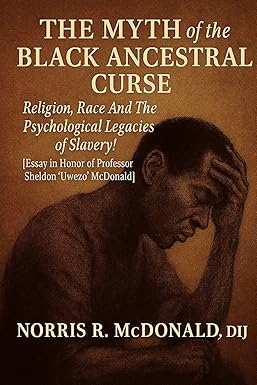
This book:
- Deconstructing the Curse of Ham, Colonial Lies, and the Struggle for Black Liberation
- How Slavery, Religion, and Myth Created Generational Trauma—and How We Break Free
- Unmasking Religious Racism and Reclaiming Black Spiritual Freedom
For centuries, Black people have been told that their suffering is divine punishment—ordained by God and passed down through a mythical “ancestral curse.”
In this powerful, eye-opening work, Norris R. McDonald, DIJ, dismantles one of the most enduring and damaging lies in Christian history: the so-called Curse of Ham. From the hymnals of colonial churches to the halls of modern academia, this myth has been used to justify slavery, colonization, and systemic racism.
With clarity, historical depth, and spiritual conviction, McDonald traces how scripture was distorted, how Black history was erased, and how liberation must begin with truth.
Drawing from the Bible, classical history, and Black theological thought, this short but impactful book challenges readers to confront religious indoctrination, reclaim their dignity, and break spiritual chains that have lasted for generations.
Whether you're a student of theology, an activist for racial justice, or a seeker of historical truth—The Myth of the Ancestral Curse will inspire, inform, and empower you.
PLEASE SCAN QR CODE to get Norris R. McDonald's 'The Myth of the Black Ancestral Curse.

 |
| Jamaican Rastafarians "chanting down Babylon." Rastafarians such as the Grammy Winners Bob Marley, Peter Tosh, Bunny Wailers and Jimmy Cliff have been in the forefront of the global Black conscious movement. They have also significantly advanced world culture and music. |

No comments:
Post a Comment